
Two questions matter more than the rest: how many houses have you built, and can we see some of them. After that, ask whether the contract is fixed price or cost plus, what is excluded from the bid, how the draw schedule works, and who your point of contact will be for the whole build.
The short version
- Ask every builder the same questions, in the same order, and write the answers down.
- An evasive answer at this stage is information, not a personality quirk.
- Fixed price versus cost plus is the single highest-stakes question in the list.
- Ask what is excluded, because that is where surprises live.
- Ask who answers the phone during construction, and how often you will hear from them.
What are the two most important questions to ask a builder?
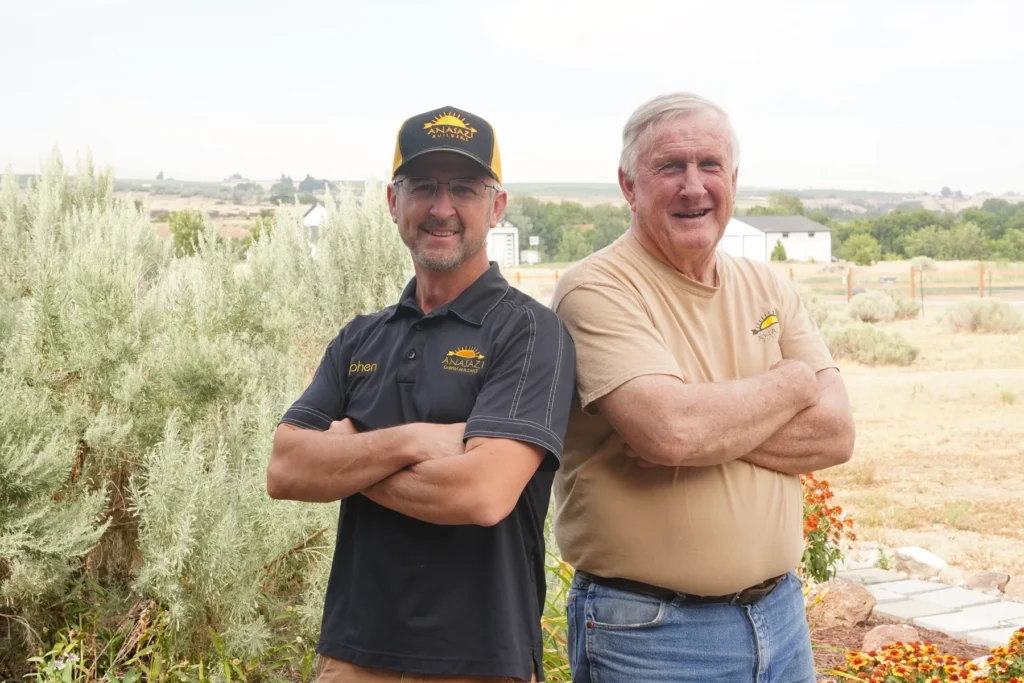
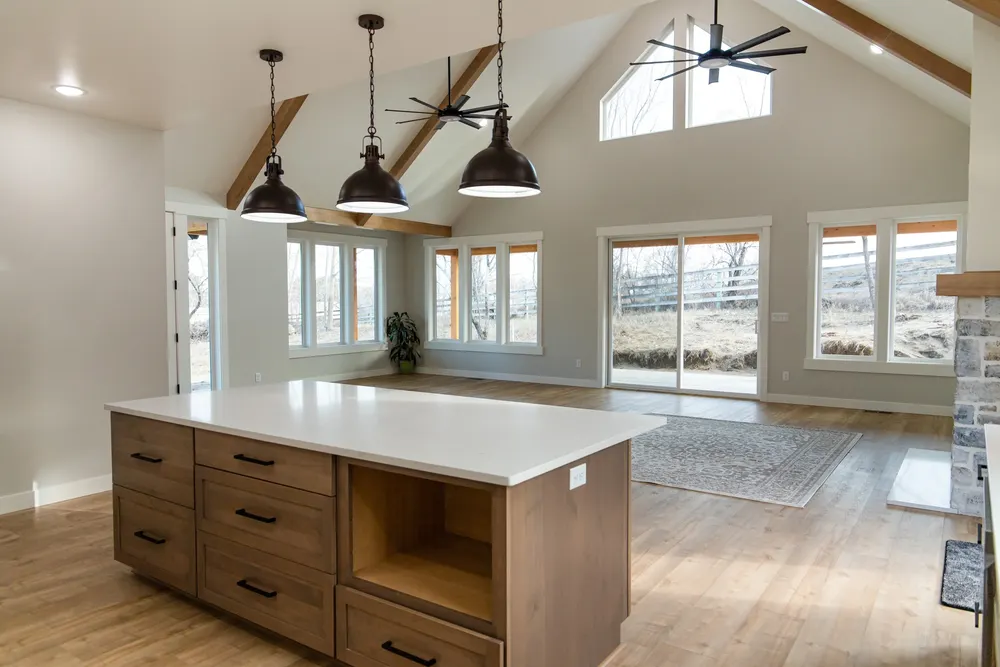
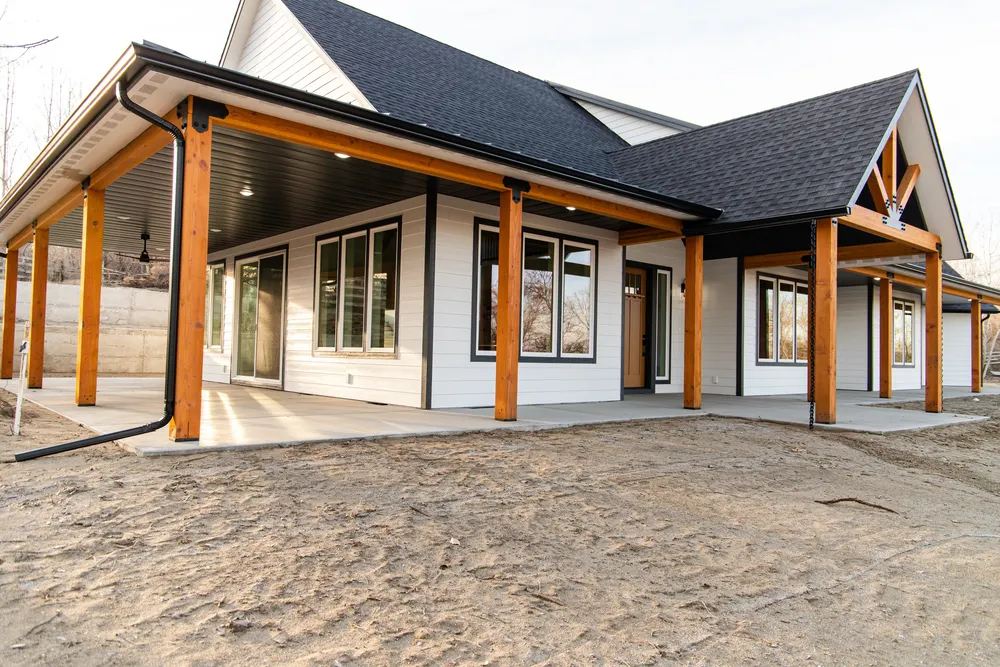
How many houses have you built, and can we see some of them. That is John Worlund’s answer, and he does not pad it. Both are simple, both are checkable, and both are difficult for an underqualified builder to answer well. If either answer does not make sense, keep looking.
“How many houses have you built? Can we see some houses that you have built?”
He is equally direct about the experience threshold.
“I would tell my own family not to hire somebody that had never built a house before. A builder saying hey, it’s our first one, we want to get our feet wet, we’ll do yours for a really good price. Don’t do it.”
The reason is financial rather than snobbish. A builder who has priced hundreds of houses knows what to look for on a lot, so his bid reflects the real job instead of the visible parts of it.
What should you ask about the contract and the price?
Ask whether it is fixed price or cost plus. Fixed price locks the number before construction and puts estimating risk on the builder. Cost plus reimburses actual costs plus a fee, leaving the total open until the job ends, and many lenders will not finance it. Then ask what happens if something was not in the bid.
Follow with three more:
What is excluded? Landscaping, landscape grading, fencing, window coverings and driveway scope are the usual answers. Ask for the list in writing.
How are allowances set? Appliances are typically carried as an allowance. Ask what the number is, then go price what you actually want.
What does the draw schedule look like? Anasazi’s out-of-pocket schedule runs 10 percent to start, then 20 percent each at concrete, framing, drywall and after trim and painting, with the final 10 percent at Certificate of Occupancy. Large front-loaded draws are the structure that lets a bad actor disappear with your money.
What should you ask about how the build will actually run?
Ask who your point of contact is and whether that person changes. At Anasazi it is John, from the first call to the day you get keys, and you never coordinate subcontractors yourself. Ask how often you will get updates, whether you can visit the site, and how long the company’s subcontractor team has worked together.
That last one is more revealing than it sounds. Anasazi’s team of nearly twenty trades has worked together for about eight years, and John selects them partly on whether their own reputation matters to them.
Ask about the timeline too, and listen for a specific number. Anasazi quotes 8 to 10 months from signed contract to move in, with 5 to 6 months of construction. National builders quote 12 to 18. Either answer can be honest. A builder who will not give one at all is a different situation.
What answers should make you walk away?
Anything that does not make sense. John’s threshold is exactly that plain: evasiveness, vagueness, or an inability to produce completed work and references. A builder who cannot tell you how many houses he has built, or will not connect you with anyone who lives in one, has already answered the question.
Add three more warning signs. Resistance to putting things in writing. A demand for a large deposit before work begins. And a price notably below the others with no explanation of what makes it possible.
The pattern behind most bad experiences is the same one: an underbid to win the job, then extras charged once construction started.
“The main thing is overcharging, underbidding and then charging extras, and not being clear, and not having a set turnkey price,” John says.
Common questions about interviewing builders
How many builders should I interview?
Three is usually enough, as long as each receives the same written specification so their bids describe the same house.
Should I bring plans to the first meeting?
Not necessarily. You can arrive with finished plans, a sketch, or nothing at all. Anasazi keeps more than 500 floor plans on file to start from.
Is the first consultation free?
At Anasazi, yes, including the site visit if you have land. No fee and no commitment.
Can I talk to past clients?
Ask. Anasazi has referrals from previous homeowners and from contractors, and past clients regularly offer to walk prospective buyers through their finished homes.
What if I do not know enough to ask good questions?
Bring this list. A builder worth hiring will happily explain anything on it, and how he handles being questioned tells you something too.
Write your questions down before the meeting and ask every builder the same ones. If Anasazi is on your list, the first conversation is free. You can also read how the nine-stage process works, see completed homes, or meet John and Stephen.