
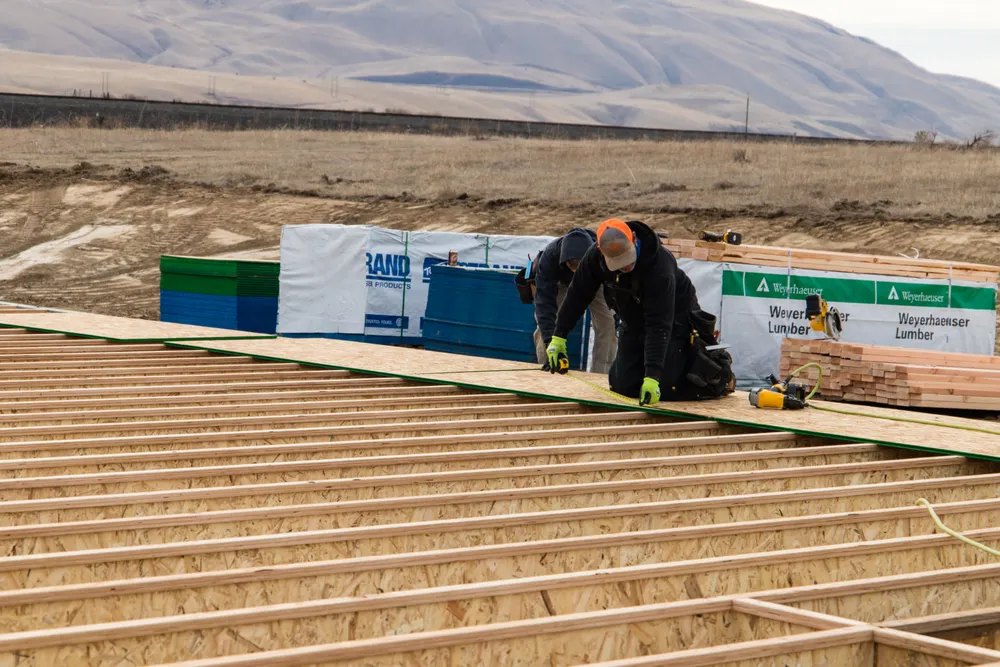
Yes, you can hire your own inspector for a new custom home. Discuss it with your builder early and coordinate the visit before drywall, when framing and rough-in systems are still visible. An independent inspection does not replace municipal inspections, bank draw checks, or your own final walkthrough.
The short version
- Municipal inspections happen at foundation, framing, mechanical, insulation, and drywall.
- On a financed build, the bank sends an inspector before every draw.
- The highest-value moment for a private inspector is before drywall goes up.
- A builder who resists independent inspection is telling you something.
- Cost is modest relative to a custom home budget.
Who already inspects your home during construction?
Three parties, at different moments and for different reasons. The city or county inspects at code stages. The bank inspects before releasing money on a financed build. And the builder runs his own continuous punch list, which is the only one of the three looking at finish quality rather than compliance.
| Inspection | Who | What it checks |
|---|---|---|
| Foundation | City or county | Code compliance |
| Framing | City or county | Structural work |
| Mechanical, plumbing, electrical | City or county | Rough-in systems |
| Insulation and drywall | City or county | Code and energy compliance |
| Draw verification | Bank’s inspector | That claimed line items are complete |
| Ongoing punch list | Builder | Workmanship and finish |
Anasazi coordinates all municipal inspections and the final ones. You do not schedule them.
What does the bank’s inspector actually do?
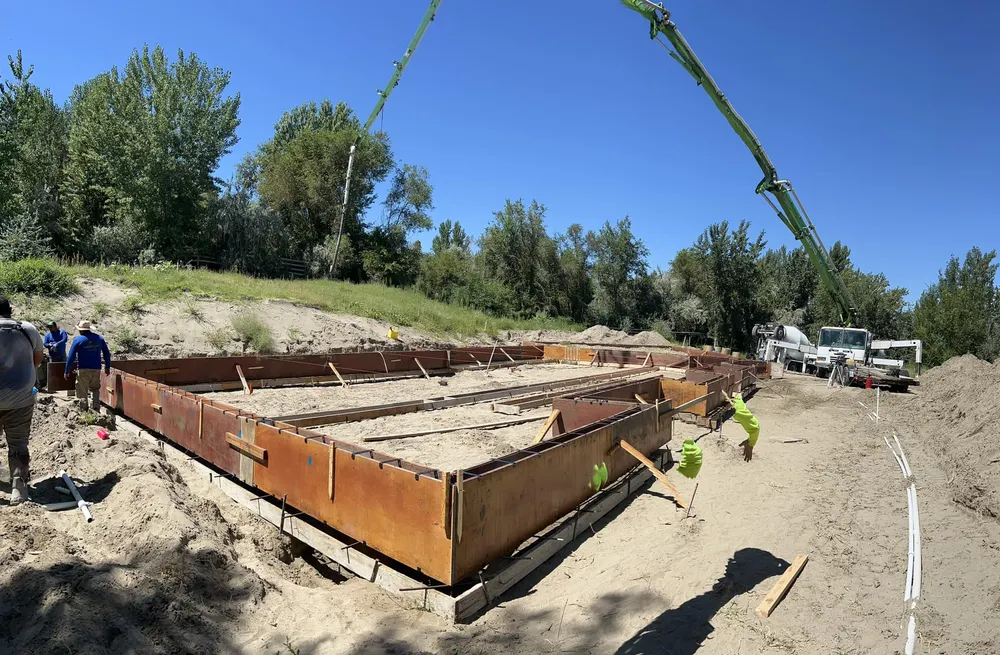
Verifies that the work being billed for exists. On a bank-financed build, the cycle runs every 30 days: John submits completed line items, you review and initial them, the bank sends an inspector or representative to confirm those items are genuinely done, and payment releases after verification, usually within three to four days.
That is a protection for the lender, and indirectly a real one for you. Money does not move ahead of work.
Most buyers do not realize this layer exists. Alongside municipal inspections, draw verifications, and carrying verified insurance during a custom build, it is worth counting these different forms of protection when deciding whether a private inspector adds anything.
When would a private inspector actually help?
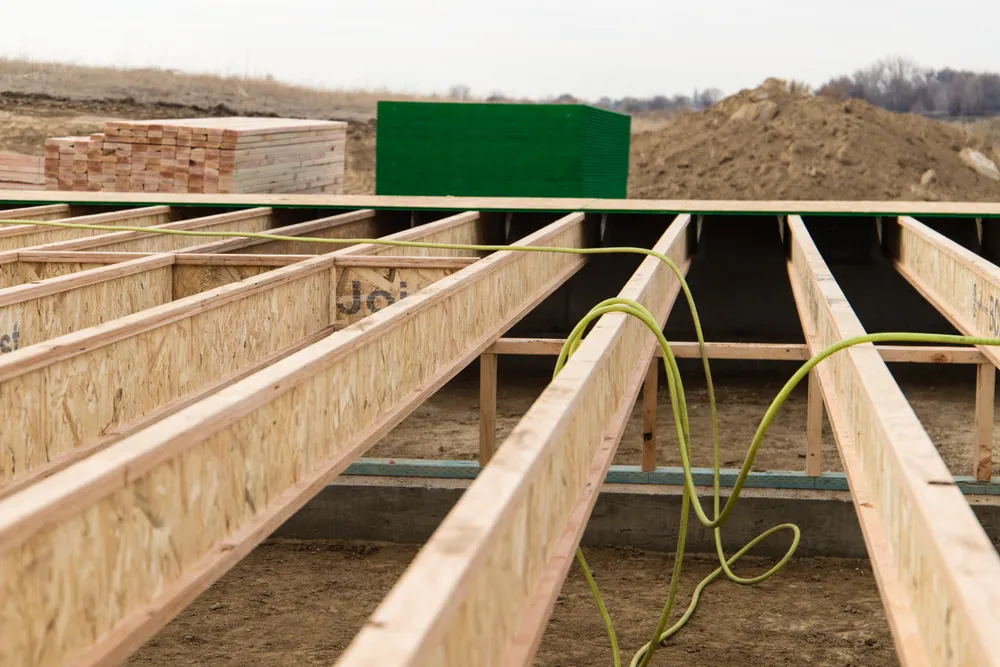
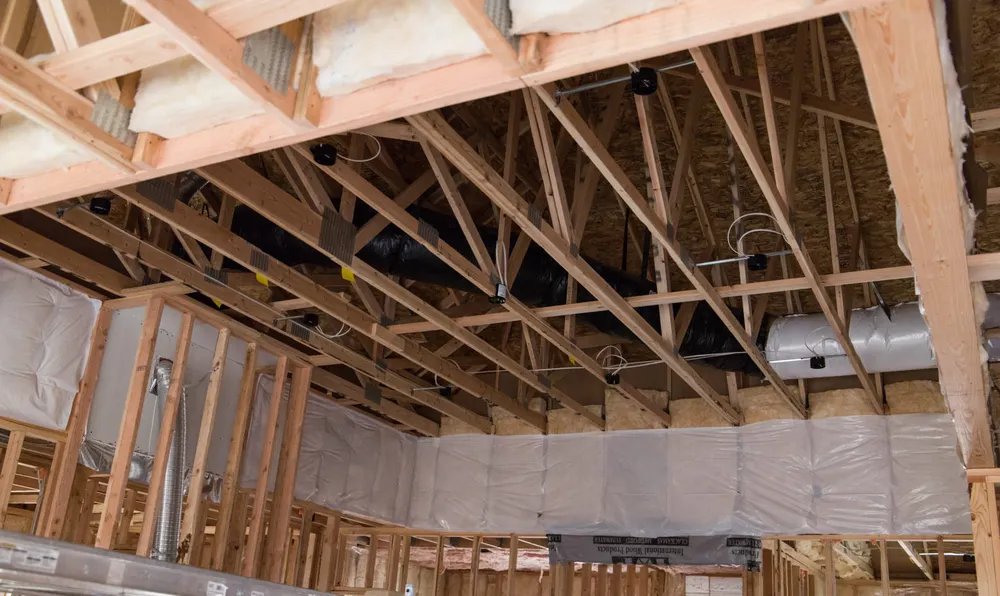
At framing and pre-drywall, above all. Once the walls are closed, everything behind them becomes expensive to examine. An independent inspection at that stage looks at structural connections, plumbing and electrical rough-in, and insulation before any of it disappears.
A second useful moment is just before the final walkthrough, so you arrive with a professional list alongside your own observations.
What a private inspector does not replace is your own walkthrough. You will notice things a stranger will not, because you are the one who has been picturing this house for a year.
How should you raise it with your builder?
Directly, early, and without apology. Mention during the contract stage that you intend to bring in an independent inspector at framing, and note how a builder responds. Cooperation is the expected answer. Defensiveness is information.
Clear communication with your builder makes it easier to place that inspection inside the normal construction sequence without disrupting trades.
Anasazi’s own process already assumes being checked. The blue-tape walkthrough runs about four passes, including one where the homeowner gets their own roll of tape and marks anything they want addressed, with no item considered too small.
At our company, disciplined documentation and trade coordination reduce problems before walkthroughs happen—and a builder that hands you the tape is unlikely to object to you hiring help.
Common questions about independent inspections
Does a private inspection slow the build?
Only if scheduled poorly. Coordinate it with your builder so it lands within the normal window before drywall.
Who pays for it?
You do. It is your inspection, commissioned on your behalf.
Will the builder fix what the inspector finds?
Legitimate defects against the agreed specification, yes. That is what the itemized specification exists to define. Keep in mind that a private inspection during the build and post-handover protections are not the same; to understand what is protected after closing, review our warranty coverage overview.
Is this common on custom homes?
Less common than on resale purchases, since the work is already subject to municipal inspection at every code stage.
What if my builder refuses?
Treat that as a significant warning sign and ask why.
Whether you hire someone or not, the walkthrough where you hold the tape is the inspection you control. Contact Anasazi to talk about inspections and how our process runs, read the nine stages, or see how our custom home construction delivers a completed home from start to finish.