Build on Your Lot in the Tri-Cities, WA —
Your Land, Your Fully Custom Home
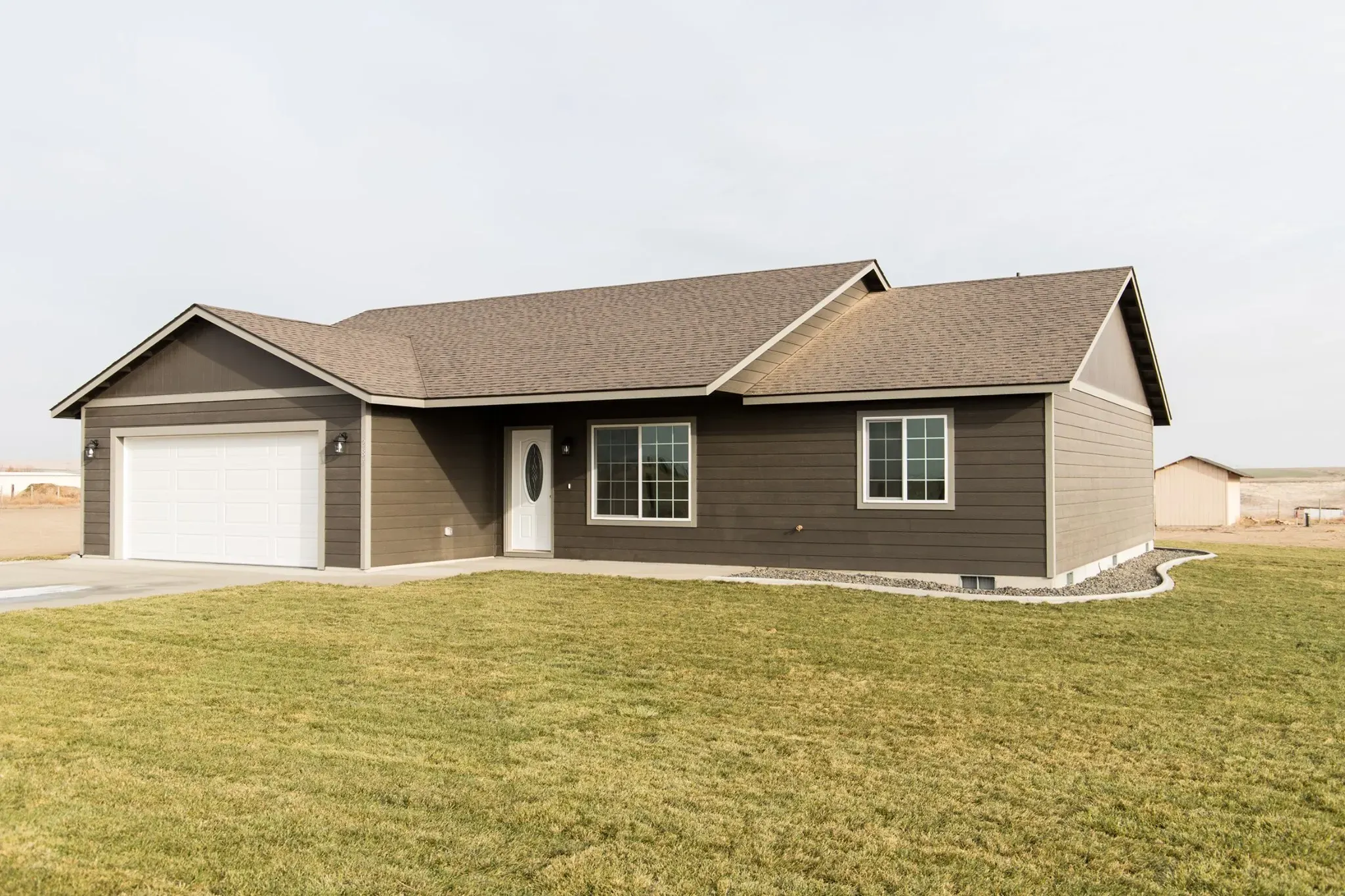
Already own your lot? We’ve built on subdivision lots inside the city and on raw acreage miles from the nearest water line. If it’s your land, we can build your home on it.
We Build on Your Lot — Wherever It Is
RAW LAND TO COMPLETED HOME
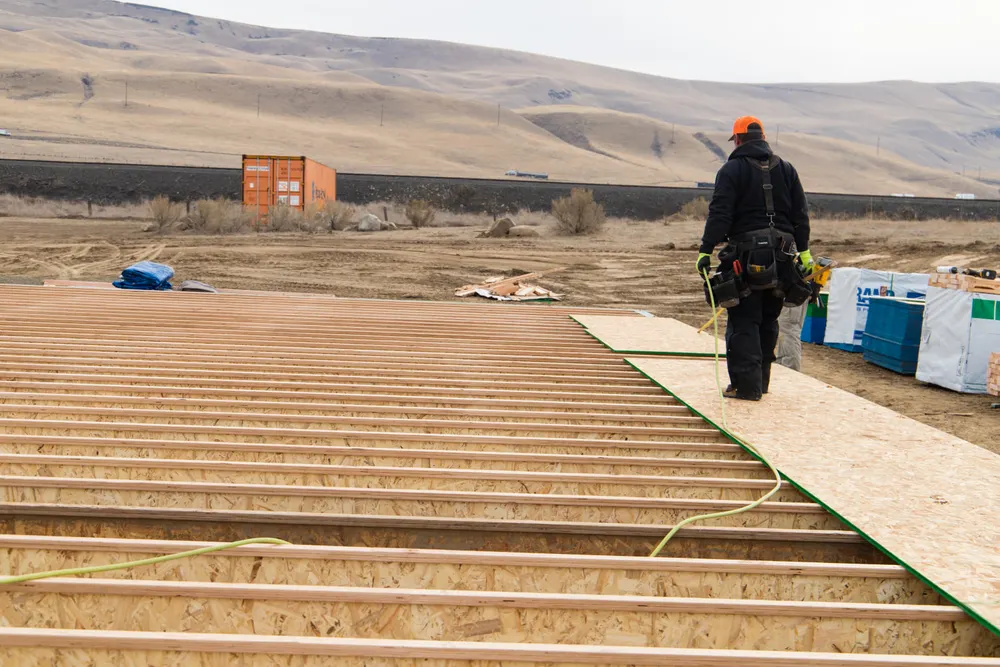
- Infrastructure from scratch: We drill, install, and connect.
- From unserviced acreage to a fully functional home.
DIVERSE LOT EXPERTISE
Pasco
Finished & raw lots
Kennewick
Finished & raw lots
West Richland
Hillside views
Franklin Co.
Agricultural land
START YOUR SITE VISIT
The answer to "can you build here?" is almost always YES. Let us come to you for a free assessment.
What "Build on Your Lot" Actually Means with Anasazi
When a builder says "build on your lot," it usually means one of three things:
- Placing a standard floor plan (from a subdivision) on your land.
- Offering a limited selection of "modifiable" plans.
- The rare approach: Designing and building a completely original home around your specific lot and needs.
With Anasazi, it’s the third option. We don’t pull out a plan book when you tell us about your land. We start by visiting the property. Then we talk about your family, your life, and what this home needs to do for the next 30 years.
No shared plans. No predetermined layout. Your lot, your design, your home.
See How The Full 9-Stage Process Works →Build On Your Lot Vs. Community Builder
- You pick a neighborhood, then a plan, then some finishes.
- The home was designed long before you arrived.
- You already have (or are finding) your land.
- Everything — the design, the layout, every finish — is built around you.
- The land comes first. The home fits the land. The design fits your family.
Every Kind of Lot
Subdivisions, Raw Acreage, and Everything In Between
We've built on lots that had every utility already stubbed in and lots where the closest power pole was a quarter mile away. Here's how we approach each.
Subdivision Lots
If your land is inside a Tri-Cities subdivision — West Pasco, Broadmoor, Road 68 corridor, Canyon Lakes in Kennewick, Badger Mountain South in Richland — the site work is typically the straightforward part. Utilities are near or already stubbed. The permitting runs through the city and tends to be predictable. The home itself is still fully custom. Your lot's orientation, solar exposure, setback lines, HOA envelope requirements, and view angles all inform how we place and design the house. Two lots side by side in the same subdivision can produce completely different homes.
Raw Land & Acreage
Raw land builds are where most builders stop. We don't. If your parcel is outside city limits in Franklin or Benton County and has no utilities, we treat the site development as Stage 2 of the build, not as a problem. Site development on raw land with us includes: clearing and grading, determining optimal septic type and placement (perc test results inform this), coordinating with a licensed driller for well installation, bringing power from the nearest connection point, and managing all permits with Franklin or Benton County.
The Benton City–Prosser Rural Corridor
This corridor — stretching through the wine country of Horse Heaven Hills and Red Mountain along Highway 224 — is one of our most-built areas outside the Tri-Cities core. We have completed six custom homes here, every one on a raw lot with full site development. The land is typically scenic, dry, and wind-exposed — which means framing decisions matter here in ways they don't on a sheltered city lot. We know the county permit process, the soil conditions, and what septic and well options typically look like in this specific corridor.
What We Check Before We Design Anything
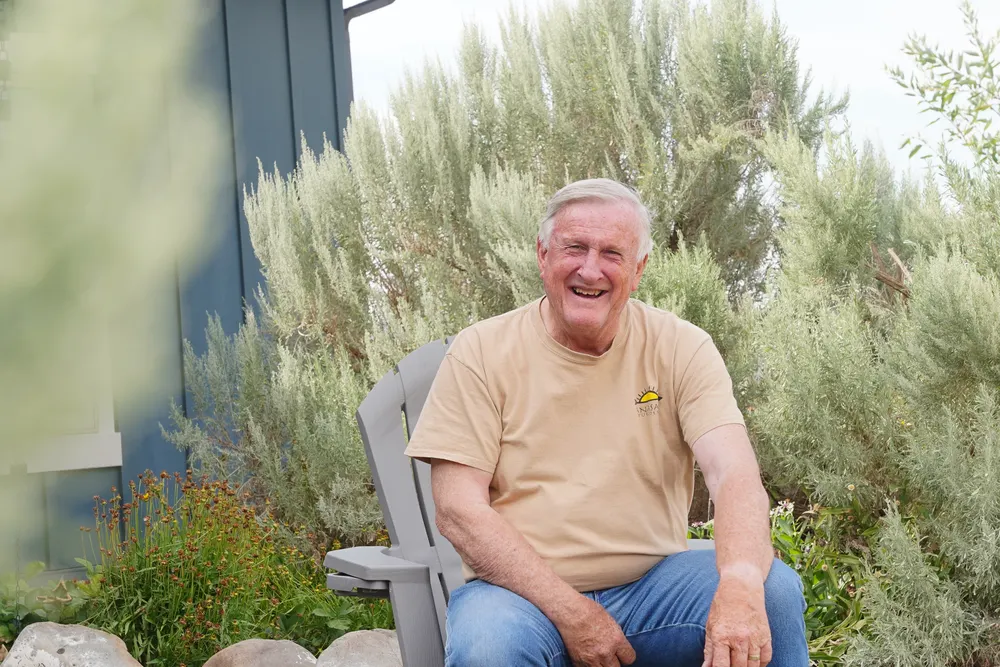
Before we draw a single line on a floor plan, John visits your property. The site shapes every design decision that follows — where the house sits, which way it faces, how the driveway runs. Getting this wrong at the beginning costs you money and time later.
House Placement
Where the home sits determines solar exposure, wind protection, privacy, and view capture. East-west orientation matters in Eastern Washington's 300-day sun climate.
Setback & Easement Lines
Every lot has setback requirements from property lines, rights-of-way, and easements. HOA lots have additional envelope restrictions. We verify all before designing.
Septic System Siting
On lots outside municipal sewer, the septic system location determines a significant portion of the buildable area. We evaluate drainage, slope, and soil conditions.
Well Feasibility
On raw rural land, well depth and yield can significantly affect your budget. We discuss local well data, coordinate with licensed drillers, and factor the well into the site budget.
Power & Utility Connection
We identify the nearest utility connection point and estimate the cost of bringing services to your panel. On remote lots, this cost can be significant.
Grading & Drainage
Eastern Washington soils are predominantly fine-grained silt. Drainage patterns vary significantly between flat agricultural land and sloped hillside lots above the valley.
Wind Exposure
The Tri-Cities sits in a wind corridor. Rural and hilltop lots — especially Horse Heaven Hills — can see sustained wind loads that affect structural framing specs.
HOA Requirements
Subdivision lots often come with HOA architectural guidelines specifying materials, roof pitch, garage placement, fencing, and landscaping.
Permit Jurisdiction
Is the lot inside Pasco city limits? Franklin County? Kennewick? Each jurisdiction has different permit offices, timelines, and fee structures. Knowing early means no surprises.
Permits & Local Process
Land in Franklin or Benton County? Here's What the Permitting Looks Like
We handle every permit for you. Building permits, septic permits, well permits, any county-specific documentation — all of it goes through us. But understanding which jurisdiction your lot sits in matters for your timeline.
Franklin County
Pasco & Surrounding Rural Areas
City of Pasco lots run through the Pasco Community Development Department. Unincorporated Franklin County lots run through the Franklin County Building Division. Rural lots require a septic permit through the Benton-Franklin Health District in addition to the building permit. Franklin County is Washington’s fastest-growing county by percentage — we account for permit office volume in our timelines. City of Pasco permits typically take up to 3 weeks from plan submission.
Benton County
Kennewick, Richland, West Richland, Benton City, Prosser
City lots run through their respective city building departments — Kennewick and Richland both have well-organized permit portals resolving within the standard 3-week window. Rural and unincorporated Benton County lots — including the Benton City–Prosser corridor and Horse Heaven Hills — run through the Benton County Department of Planning. Septic permits require a site evaluation and in many cases a soil perc test by a licensed engineer.
Walla Walla County
Burbank & Two Rivers Area
Lots in the Burbank area near the Snake and Columbia River confluence fall under Walla Walla County jurisdiction. This county permit office is smaller and permit timelines can vary. For clients building in this area, we build extra schedule buffer into the permitting phase.
The Process
The Build-on-Your-Lot Process, Step by Step
Building on your own land has a different shape than buying a lot in a developer’s community. There are more variables, more upfront evaluation, and more decisions before design even begins. Total timeline: approximately 8–10 months. Construction averages 5 to 6 months once the slab goes in.
Stage 01 First Conversation
You call or email. We talk about your land — where it is, what you know about it, what utilities are (or aren't) there, and roughly what you're thinking for a home. John asks honest questions. If it sounds like a fit, we schedule the site visit. No fees, no commitment.
Stage 02 Site Evaluation
John visits your property. He walks the land, identifies the optimal house placement, evaluates septic siting, checks for utility access points, assesses drainage and grading needs, and notes any setback or easement restrictions. If you're on rural acreage, he discusses well feasibility based on local data for the area.
Stage 03 Plans & Design
With the site evaluation complete, we begin design. You can bring your own plans, choose from 500+ plans we have available, or design from scratch with our architects. The lot's shape, orientation, view angles, and setback lines all inform the design. After blueprints are approved, we provide 3D renderings so you can see your home on your specific lot before construction begins.
Stage 04 The Sacred Session
We sit down with you and go through every decision in the home — roof, exterior, flooring, kitchen, bathrooms, garage, windows, lighting, all of it. We're listening for what's most important to your family. Those priorities guide the rest of the design and the budget.
Stage 05 Site Development Budget & Total Estimate
For build-on-your-lot projects, the budget has two components: the home itself, and the site development (well, septic, grading, power extension, driveway). We collect quotes for both and assemble a single honest total. We tell you the real number — both components — before you sign anything.
Stage 06 Contract & Pre-Construction
Full contract plus a 10-page specifics document — every included and excluded item in writing. $3,000 down activates the contract. Construction loan typically takes ~30 days to finalize with your lender. We handle all permit applications during this window.
Stage 07 Site Development & Permits
Depending on your lot, this stage may include well drilling, septic system installation, power extension, grading and clearing, and driveway construction. We coordinate all of this with licensed specialists. City or county permits typically take up to 3 weeks, which includes the time needed for rural lots requiring septic permits from the Benton-Franklin Health District.
Stage 08 Construction
Average build time: 5 to 6 months once the slab is poured. John or Stephen is on-site regularly. The job site is always clean — materials stacked, waste removed, nothing left scattered. You have one point of contact throughout. Updates are consistent and honest.
Stage 09 Delivery & Warranty
Move-in-ready home. All final inspections coordinated. Walkthrough, keys, and the contact numbers for every subcontractor in the build. 1-year base warranty (Washington State). 6-month follow-up for non-emergency items. Extended 2–5 year warranty available.
What It Costs to Build on Your Lot in the Tri-Cities
Build-on-your-lot projects have two cost components that community home builders don't deal with: the home itself, and the site development. Understanding both is essential to building an honest budget.
The Home
Entry point in the Tri-Cities: approximately $450,000 for a basic home with land. From there, the cost depends on your choices — size, design complexity, and finish level. No honest square-foot price exists on a fully custom home. We work with your lender's pre-approval number and build the best version of your home within it.
The Site Development
Site development cost depends almost entirely on what's already there:
Finished subdivision lot (utilities stubbed)
Minimal. Grading, driveway, rough landscaping.
Lot with power, no sewer/water
Examples from past projects — not a quote or estimate: a roughly 270-foot well has cost up to approximately $19,000; actual cost depends on depth, pipe diameter, and pump size. Gravity septic systems have ranged from $10,000 to $14,000; engineered systems from $14,000 to $25,000.

The Two-Number Rule
Always get two budgets on a build-on-your-lot project: Budget 1: The home — design, finishes, construction. Budget 2: The land and site development — well, septic, power, clearing, grading, driveway.
FAQ
Everything You Want to Know Before Your First Call
These are the real questions families ask us. Every answer traces back to John’s actual words — nothing invented.
What does "build on your lot" mean, exactly?
It means you already own (or are in the process of buying) a piece of land, and you want a custom home built on it — rather than buying a pre-built home or a lot in a developer’s community. With Anasazi, it also means the home is fully custom: no pre-designed floor plans placed on your land, no fixed finish options. Your lot, your design.
Can you build on any lot, including raw acreage?
Yes. We have built on finished subdivision lots where every utility was already stubbed in, and on raw rural acreage in Eastern Washington where we brought in power, drilled wells, and installed septic systems from scratch. We’ve completed six homes in the Benton City to Prosser corridor alone — all on raw land. The lot visit tells us what the site needs before we design anything.
Do I need to own the land before we can start talking?
No. We can have a first conversation when you’re still searching. We can help you evaluate parcels before you buy and tell you what the site development implications are for specific lots you’re considering. It’s far better to involve us before the land purchase than after.
Who handles the permits for a build-on-your-lot project?
We do. We handle all permit paperwork: building permit, septic permit, well permit if applicable, and any documentation required by the city or county. Permitting jurisdiction depends on whether your lot is inside a city or in unincorporated Franklin, Benton, or Walla Walla County. City permits in the Tri-Cities typically take up to 3 weeks from plan submission.
What is a site evaluation and is it free?
A site evaluation is a visit from John to your property. He walks the land, identifies optimal home placement, assesses septic and well siting, checks utility access points, evaluates drainage and grading, and notes any setback or HOA restrictions. It typically takes 30 to 60 minutes on-site. It is completely free with no commitment required.
How much does site development cost on raw land?
It depends on what’s already at the lot. A subdivision lot with utilities stubbed needs minimal development. Examples from past projects — not a quote or estimate: a roughly 270-foot well has cost up to approximately $19,000; actual cost depends on depth, pipe diameter, and pump size. Gravity septic systems have ranged from $10,000 to $14,000, while engineered systems have ranged from $14,000 to $25,000. Power extension, clearing, grading, and other site work vary too much to price generically. We give you the combined project number — home plus site development — before you sign.
What is a soil perc test, and do I need one?
A percolation (perc) test measures how quickly water drains through the soil on your lot. The Benton-Franklin Health District requires perc test results for rural lots needing a new septic system before they’ll approve a septic design. If your lot hasn’t had one done, we’ll recommend it before design begins — without it, we can’t accurately account for the septic layout in the floor plan.
How long does it take to build a custom home on my lot?
The full timeline from first conversation to move-in is typically 8 to 10 months. Construction itself averages 5 to 6 months once site development is complete and permits are issued. Build-on-your-lot projects can run slightly longer than subdivision builds because the site evaluation, any perc testing, and rural permit coordination add time upfront. We account for this in every timeline we give.
What areas in Eastern Washington do you build in?
We build in Pasco, Kennewick, Richland, West Richland, Benton City, Prosser, and Burbank, plus rural areas throughout Franklin, Benton, and Walla Walla counties. We have specific experience in the Benton City to Prosser corridor, Horse Heaven Hills, the West Pasco growth corridors, Canyon Lakes in Kennewick, and Badger Mountain South in Richland. If your land is in this region, call us.
What if I have a septic and well already in place from a previous structure?
Existing septic and well systems may or may not be usable for a new build, depending on their age, condition, capacity, and location on the lot. We have the systems inspected and evaluated early in the process. If they’re adequate for your new home, we design around them. If they need upgrading or replacement, we include that in the site development budget before design begins.
Your land is ready. Let's talk about
what goes on it.
Free first conversation. Free site visit. We’ll tell you honestly what your lot needs and what your home can look like on it.

Family-owned custom home builder serving the Tri-Cities, WA since 2014. Father and son. 80 years experience. 250+ homes built.
License no. ANASABL825RL