
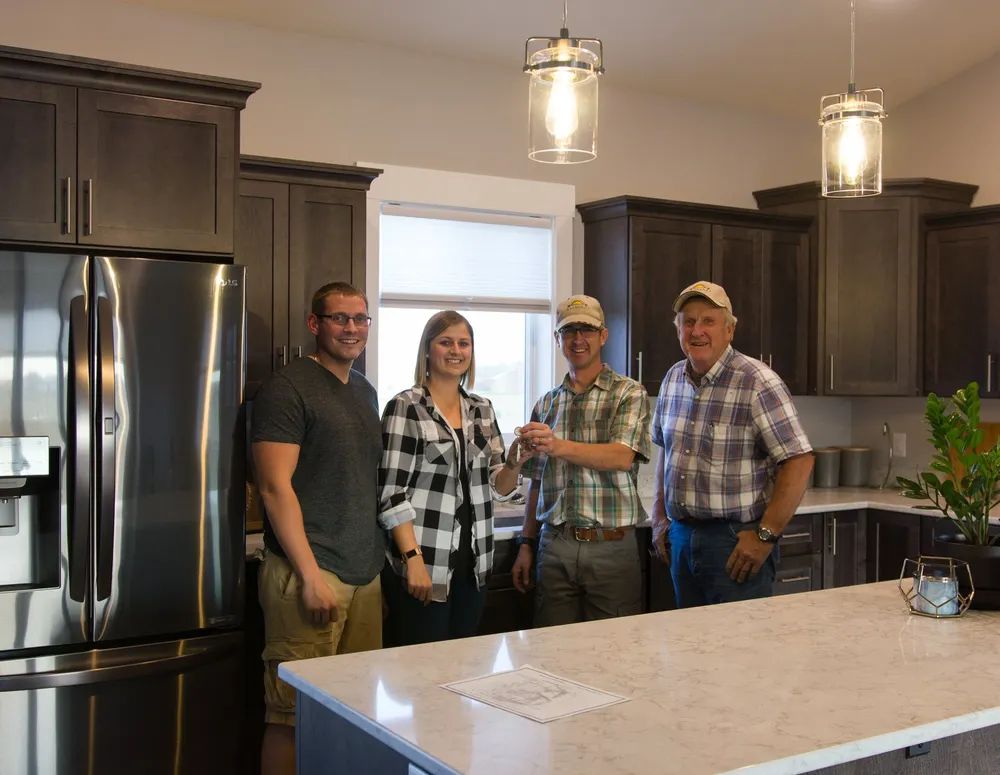
Go during daylight, bring a phone charger and a flashlight, and work room by room rather than wandering. Test every door, window, faucet, outlet, and switch. Mark anything you want addressed with blue tape, including items that feel too small to mention. They are not.
The short version
- Daylight shows imperfections that overhead lighting hides.
- Work room by room in a fixed order so nothing gets skipped.
- Test everything that opens, closes, runs water, or carries power.
- Look up. Ceilings and paint cut lines get missed by everyone.
- No item is too small. That is explicitly the rule at Anasazi.
When should you do your walkthrough and what should you bring?
During daylight, ideally mid-morning, when raking light across a wall reveals imperfections that ceiling fixtures flatten. Bring a phone charger to test outlets, a flashlight for cabinets and closets, painter’s tape if the builder has not supplied it, and someone else to look with you.
Allow real time. This is the only inspection you personally control, marking one of the final stages of the process before handover.
At Anasazi, you get your own roll of blue tape for exactly this. The homeowner pass is one of about four the house goes through.
What should you check room by room?
Everything that moves, runs, or carries power, plus the finish surfaces around it. Work in a fixed order so you do not skip a room, and mark as you go rather than trying to remember.
| Area | What to test |
|---|---|
| Doors and windows | Open, close, and lock. Check for rubbing and even gaps. |
| Kitchen | Every faucet, under the sink for leaks, cabinet doors and drawers, and appliance fit. |
| Bathrooms | Faucets, drains, toilet seating, exhaust fans, and tile grout lines. |
| Electrical | Every outlet with a charger and every switch, including three-way pairs. |
| Flooring | Transitions between materials, squeaks, scratches, and gaps at baseboards. |
| Trim and paint | Returns at casings, caulk lines, touch-up marks, and cut lines at ceilings. |
| Ceilings | Texture consistency, fixture alignment, and any staining. |
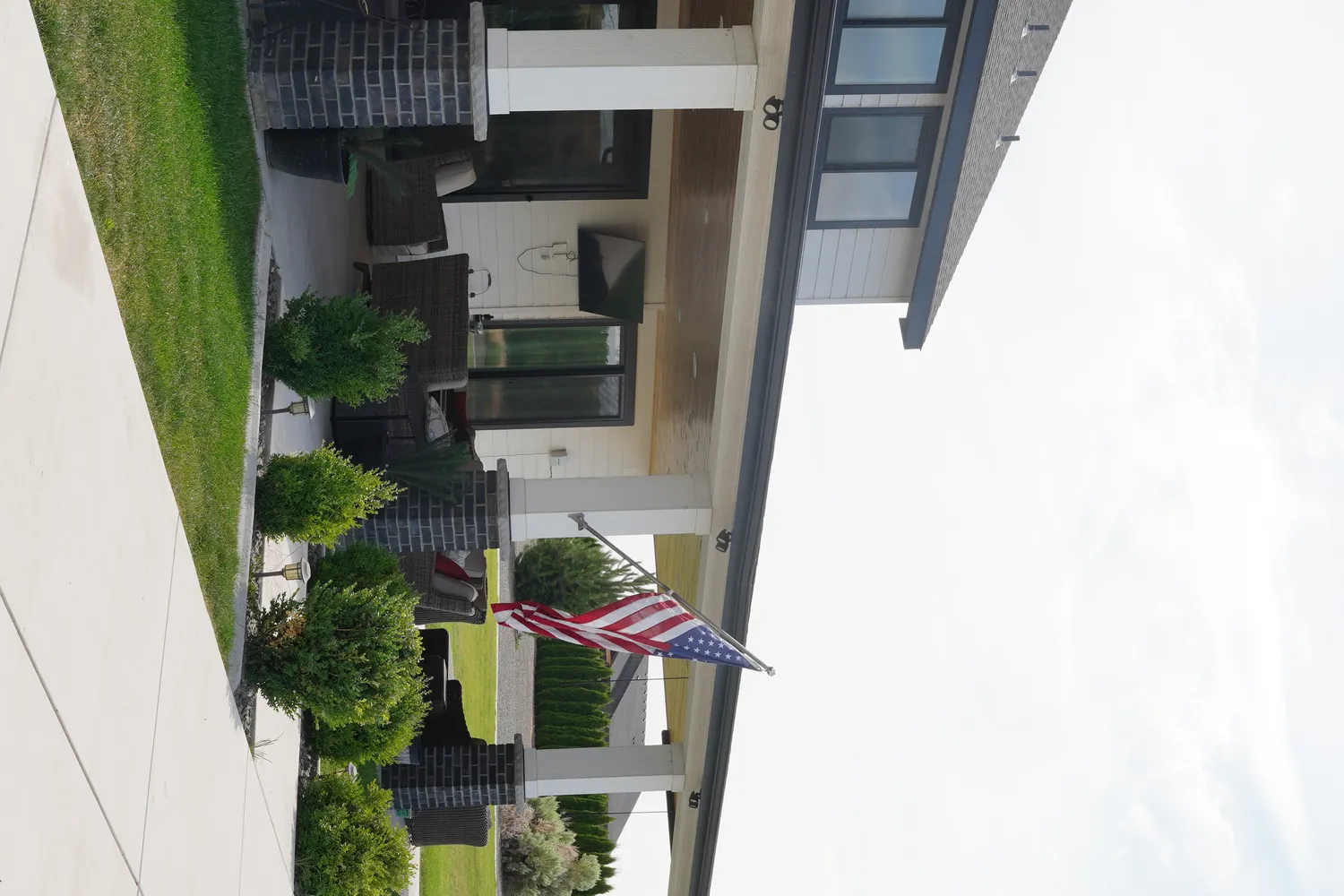
| Exterior | Siding transitions, soffits, gutter runs, and grading away from the house. |
Then look up. Ceilings, light fixtures, and the paint cut line where wall meets ceiling get missed by nearly everyone, including the crews.

What happens to the items you mark?
Every taped item gets corrected before handover. That is the point of using tape rather than a written list: the problem stays attached to its location until it is fixed, and progress becomes visible as the tape comes off.
Anasazi’s position on the threshold is explicit.
“Some of them can be minuscule, but that’s okay,” John Worlund says. “They feel like they’ve walked through it, they’ve walked every inch of it themselves and they’ve blue-taped it.”
You are not being difficult. You are doing the job the process hands you. A successful custom home build depends on a builder who welcomes this level of mutual accountability.
What do you receive at handover?
Keys, contact numbers for every subcontractor on the build, and your warranty paperwork. The subcontractor list matters more than it sounds, because it means a genuine emergency reaches the trade directly rather than waiting for a builder to relay a message.
John also walks homeowners through practical items at delivery, including where the shut-off valves are. Reviewing our project examples shows how this disciplined, four-pass delivery standard produces lasting quality.
Washington requires a one-year base warranty on new construction. Anasazi honors it and adds a six-month follow-up for non-emergency items, so anything you notice after move-in goes on a running list rather than requiring a call each time.
What if you find something after you have moved in?
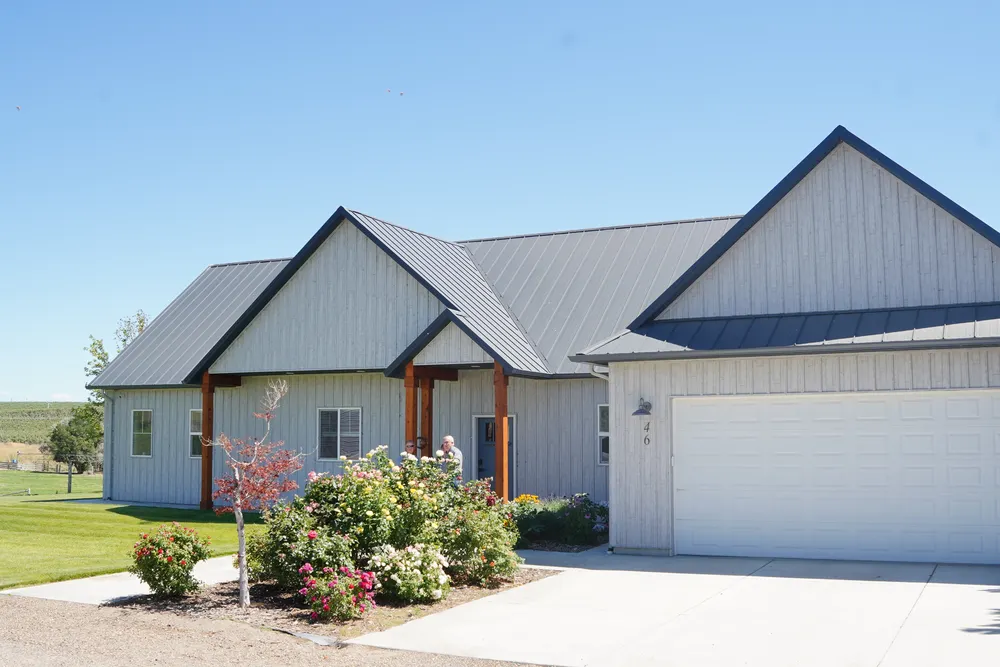
Write it down and keep the list. That is the intended path rather than an exception. Small items accumulate normally in any new house, and they get handled in batches instead of one phone call at a time.
Anasazi returns at the six-month mark to work through the list, then again at one year. Anything found while they are on site during those visits gets handled during the same trip.
Genuine emergencies, meaning electrical, plumbing, HVAC, or water, do not wait for a scheduled visit. Those go straight to the trade.
Common questions about the final walkthrough
How long should the walkthrough take?
As long as you need. A couple of hours for a full custom home is reasonable.
Can I bring an independent inspector?
Yes, and it is a reasonable request. Some buyers schedule one just before the walkthrough so they arrive with a professional list.
What if I disagree about whether something is a defect?
The itemized specification document settles it, because it records what was agreed rather than what was assumed.
Should I test the HVAC system?
Yes. Run heating and cooling and confirm airflow at every register.
Is it too late to change something at the walkthrough?
Corrections are expected. Changes are a different conversation, and at that stage they carry a price.
The walkthrough is the moment the house becomes yours to judge. Reach out to schedule your consultation and learn how Anasazi runs the four-pass process, read the full nine stages through delivery, see completed homes, or meet John and Stephen.